




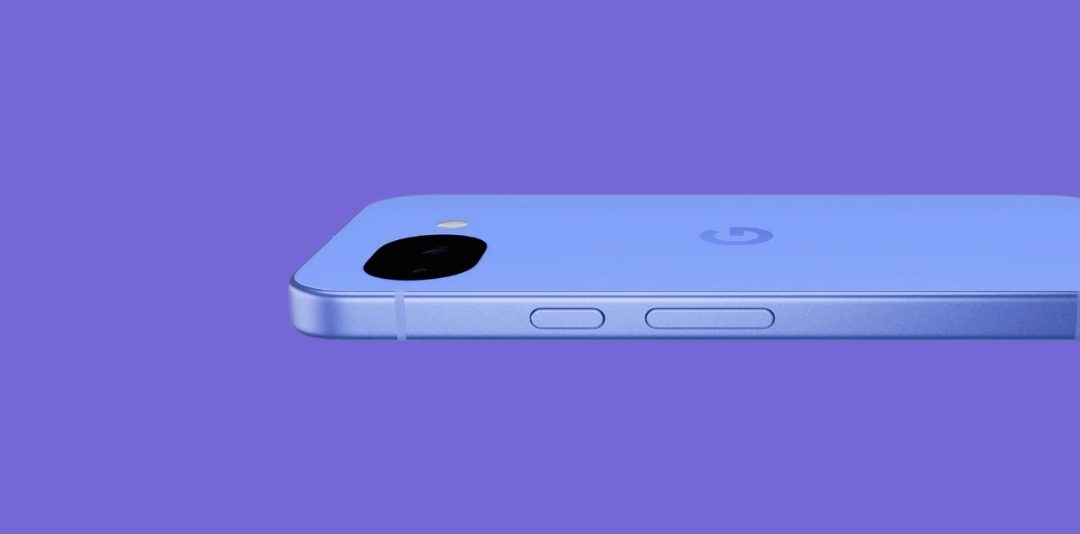
The mid-range smartphone market in 2026 is no longer defined by what features are removed to save costs, but rather by how much intelligence can be packed into a compact frame. The Google Pixel 10a represents a fascinating pivot point for Google. As we move deeper into the “Gemini Era,” the hardware is shifting to accommodate massive on-device AI requirements while maintaining the accessible price point that defines the “a-series.” This technical profile serves as a comprehensive audit of the device, cross-referencing industry standards and the software ecosystem that defines the Google experience this year.
Core processing: the power of the Tensor G4
While early rumours suggested a move to the custom TSMC-built G5 found in the flagship Pixel 10, the 10a officially utilizes a refined version of the Tensor G4. This is a strategic move to offer a chip that has had a full year of optimization. The G4 inside this model features improved thermal packaging, implementing a new vapour chamber design, a first for the “a-series”, ensuring peak performance during gaming or 4K video rendering on modern high-speed networks.
The real star is the upgraded Tensor Processing Unit (TPU). Even though it is a G4 chip, the NPU has been tuned to handle Gemini Nano with Multimodality. This allows the device to process text, images, and audio inputs simultaneously on-device. For users searching for “private AI processing smartphones 2026” or “mid-range performance benchmarks,” this local processing is a key differentiator. It ensures the device remains snappy even when offline, a vital feature for travellers.
Display: the 6.3-inch Actua evolution
Google breaks tradition by offering a 6.3-inch Actua Display with a refresh rate that scales dynamically from 60Hz to 120Hz. Outdoor visibility is a major focus; the screen boasts a peak brightness of 3,000 nits, making it one of the brightest mid-range panels available. This ensures that HDR10+ content is perfectly legible even under direct sunlight. Protected by Gorilla Glass 7i, it offers increased drop resistance. For those looking at “best outdoor-readable phones under $700,” this model is a top contender.
Camera hardware: pro-level optics for the masses
Google’s philosophy is “software-first,” but the hardware is finally catching up. The main 48MP wide lens features a large f/1.7 aperture for significantly better light intake. The Optical Image Stabilization (OIS) provides gimbal-like smoothness for 4K/60fps video. The 13MP ultrawide lens now includes Macro Focus, a feature previously exclusive to Pro models. Furthermore, the front camera is now secure enough for biometric authentication in banking apps, moving away from convenience-only face unlock.
Battery life and connectivity
The most impressive physical change is the internal density. Google managed to fit a 5,100 mAh battery into a slim chassis. Combined with the Tensor G4’s efficiency cores, it is comfortably a two-day phone. For the first time, the “a-series” supports 30W wired charging and retains wireless charging. On the connectivity front, the inclusion of Wi-Fi 7 is a major future-proofing move. As households upgrade to multi-gigabit routers, this phone will utilize those speeds for cloud gaming and instant backups.
Optimized Mobility performance on TELUS
When it comes to real-world performance in Canada, the hardware is only half the story. The Google Pixel 10a has been specifically optimized for TELUS Mobility and its 5G standalone network. This optimization ensures that users experience the lowest possible latency during AI-driven tasks and cloud-intensive applications. Furthermore, TELUS EPP (Employee Excellence Program) members often find this specific model to be the most cost-effective entry point into the Google ecosystem. By choosing the 10a through TELUS, users can leverage the “Bring-It-Back” program to ensure they always have access to the latest TELUS Phones without the high upfront costs associated with flagship models.
Software longevity and value
An SEO audit would be incomplete without mentioning the 7-year update promise. Google has committed to providing updates until 2033. This long-term support makes it an incredible investment for users who want a device that holds its value. The software is built around Gemini Live, allowing for natural, conversational interactions with the OS. It also introduces improved “Live Translate” and “Magic Editor” capabilities that function entirely on-device, minimizing latency and enhancing privacy concerns that are top-of-mind for modern consumers searching for “secure AI smartphones.”
Conclusion: the strategic choice for 2026
The Google Pixel 10 A bridges the gap between the budget-conscious consumer and the AI-hungry power user. By stabilizing the hardware with the Tensor G4 and focusing on a high-quality 120Hz display, Google has created a device that is less about compromise and more about curation. While the flagship Pixel 10 remains the pinnacle of Google’s current engineering, the 10a’s use of the G4 ensures a proven, stable, and highly optimized experience that is arguably the best value in the current landscape.
For those looking to secure the best rates through TELUS EPP, this phone represents the perfect balance of longevity and price. It provides a flagship-adjacent experience by inheriting the most stable parts of the previous year’s flagships while adding enough modern durability to survive the better part of a decade. Whether you are looking for a new contract or an upgrade, the 10a is the definitive choice for the modern, AI-connected user.